


How to improve the management of a homeowners’ association and avoid future problems
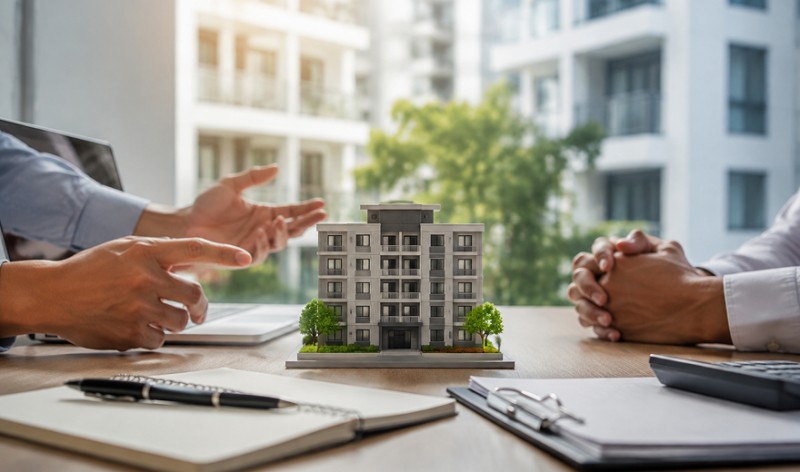
Effective property management is essential to ensuring harmonious living, maintaining the building in good condition, and avoiding unnecessary expenses. Efficient management not only helps resolve day-to-day issues but also makes it possible to anticipate potential problems and make decisions that benefit all property owners.
To achieve this, it is important to have proper organisation, clear communication, and a well-defined plan for managing the community’s resources responsibly and transparently.
1. Maintain Transparent Financial Management
One of the main concerns in a residential community is financial management. Keeping accurate records of income and expenditure, preparing realistic budgets, and regularly reviewing the accounts help establish the community’s financial position and prevent imbalances.
It is also advisable to maintain a reserve fund to cover unexpected repairs and future maintenance work.
Transparency in financial management is essential to building trust among property owners and facilitating informed decision-making.
2. Prevent Repairs Through Regular Maintenance
Waiting until a breakdown occurs before taking action can significantly increase costs for the community. For this reason, carrying out regular inspections of lifts, electrical systems, plumbing, roofs, and façades is essential to preventing problems.
A preventive maintenance plan helps identify potential defects early, extend the lifespan of building facilities, and reduce the risk of emergency repairs.
Prevention not only saves money but also contributes to the safety and well-being of all residents.
3. Improve Communication Between Property Owners and the Managing Agent
Clear and consistent communication helps prevent misunderstandings, disputes, and decisions being made without sufficient information.
Property owners should be kept informed about important community matters, planned maintenance work, expenditure, and decisions made at general meetings.
Having effective communication channels and providing a responsive, approachable service allows questions to be answered quickly and ensures that residents feel heard and supported.
4. Organise Property Owners’ Meetings Effectively
Property owners’ meetings are essential for making decisions about the management and future of the community. However, poor organisation can lead to unproductive meetings and disagreements between residents.
To improve their effectiveness, it is important to prepare the topics in advance, provide the necessary information, and establish a clear agenda.
Accurate meeting minutes must also be prepared, decisions properly recorded, and agreed actions followed up to ensure they are implemented within the established deadlines.
5. Address Outstanding Payments Promptly and Responsibly
Unpaid community fees are one of the issues that can most affect a community’s financial stability. When some property owners fail to pay their contributions, the remaining owners may be affected, and the community may struggle to meet its financial obligations.
For this reason, it is advisable to monitor payments regularly, identify overdue accounts at an early stage, and establish appropriate procedures for recovering outstanding amounts.
Effective management of unpaid fees helps protect the community’s finances and ensures that all property owners contribute to shared expenses in accordance with their obligations.
6. Choose Reliable Contractors and Supervise Their Work
Residential communities rely on trusted companies and professionals to carry out repairs, cleaning, maintenance, and other essential services.
However, hiring a contractor is only part of the process. It is also important to check the quality of the work, monitor deadlines, and ensure that the services provided match the agreed budget.
Comparing quotations, reviewing service conditions, and maintaining good coordination with contractors help optimise resources and avoid unnecessary expenses.
7. Address Conflicts and Incidents Before They Escalate
Minor issues can develop into serious disputes if they are not addressed promptly. Noise complaints, the use of communal areas, property damage, and disagreements between neighbours require an objective and proportionate response.
Listening to everyone involved, applying the community’s rules, and seeking solutions through dialogue can help prevent confrontations and maintain a respectful living environment.
Similarly, having a clear procedure for reporting and handling incidents makes it possible to respond quickly and monitor each case until it has been resolved.
8. Work with a Professional Property Management Company
Managing a residential community involves coordinating administrative, financial, technical, and sometimes legal matters. Working with a professional property management company makes these responsibilities easier to handle and ensures that the community’s needs are addressed in an organised manner.
A professional managing agent can help monitor expenses, coordinate maintenance, manage incidents, organise meetings, and follow up on decisions, always taking into account the specific needs and circumstances of each community.
Professional management also helps anticipate potential problems, improve planning, and provide property owners with a reliable point of contact whenever they need advice or assistance.
Conclusion: Prevent Problems Today for a Better Tomorrow
Improving the management of a residential community requires planning, transparency, communication, and the ability to anticipate potential issues. Simple measures, such as reviewing accounts, maintaining building facilities, addressing incidents, and following through on agreed decisions, can prevent more serious problems in the future.
Ultimately, a well-managed community is better organised, safer, and better prepared to face future challenges.
Our property management company is committed to providing comprehensive, personalised, and transparent services tailored to the needs of each residential community. Our aim is to make everyday life easier for property owners, optimise resources, and prevent problems so that residents can enjoy their homes with greater peace of mind.
